1
What is Muse Image?
Muse Image is Meta's latest image generation model from Meta Superintelligence Labs. It focuses on instruction following, precise editing, multi-reference composition, search-grounded creation, and agentic visual generation.
Explore Muse Image, Meta's newest image generation model designed for faithful instruction following, precise editing, multi-reference composition, search-grounded creation, and self-refining visual output.
Sign in to generate — it's free to start.
Muse Image brings Meta's latest agentic media generation ideas into a creator-friendly workflow for text-to-image, editing, and reference-based composition. The focus is practical creative control: clearer prompts, better references, stronger edits, and fewer restarts.
Muse Image is built around an agentic workflow: it can reason about a prompt, use tools, refine drafts, and spend more inference-time effort on details that improve the final image.
The model can benefit from search-grounded context and code-like precision, helping prompts that depend on current facts, diagrams, charts, QR-style structure, or exact visual references. This makes it useful for educational graphics, social posts, and campaign visuals that need more than a generic style prompt.
The model is designed for targeted edits: change an object, adjust a style, preserve a composition, or iterate through multiple turns without losing the creative direction.
Complex prompts can combine multiple references, including people, products, clothing, environments, and style cues, into coherent image compositions. That helps teams preserve recognizable assets while exploring new creative directions.
Self-refining behavior can improve drafts through local corrections, fresh generations, or tool-assisted tactics when a prompt needs more accuracy.
Meta describes Content Seal as an invisible provenance signal for Muse Image outputs in Meta AI, helping people understand whether media was generated with Meta AI.
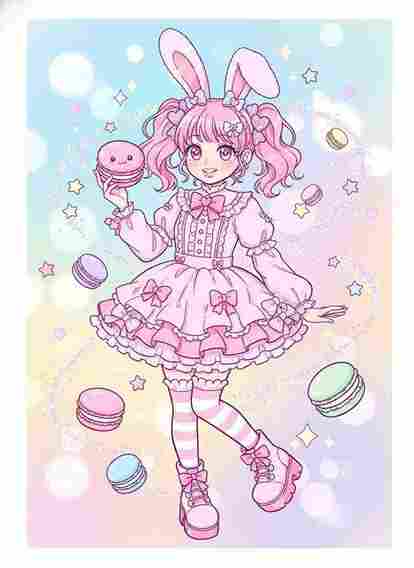
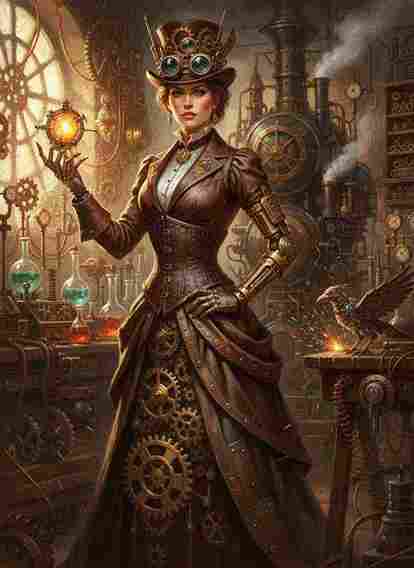
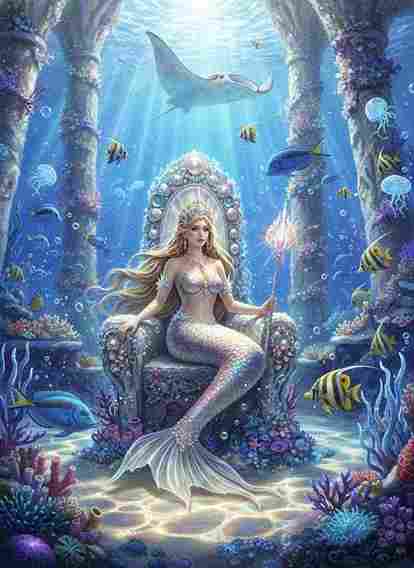
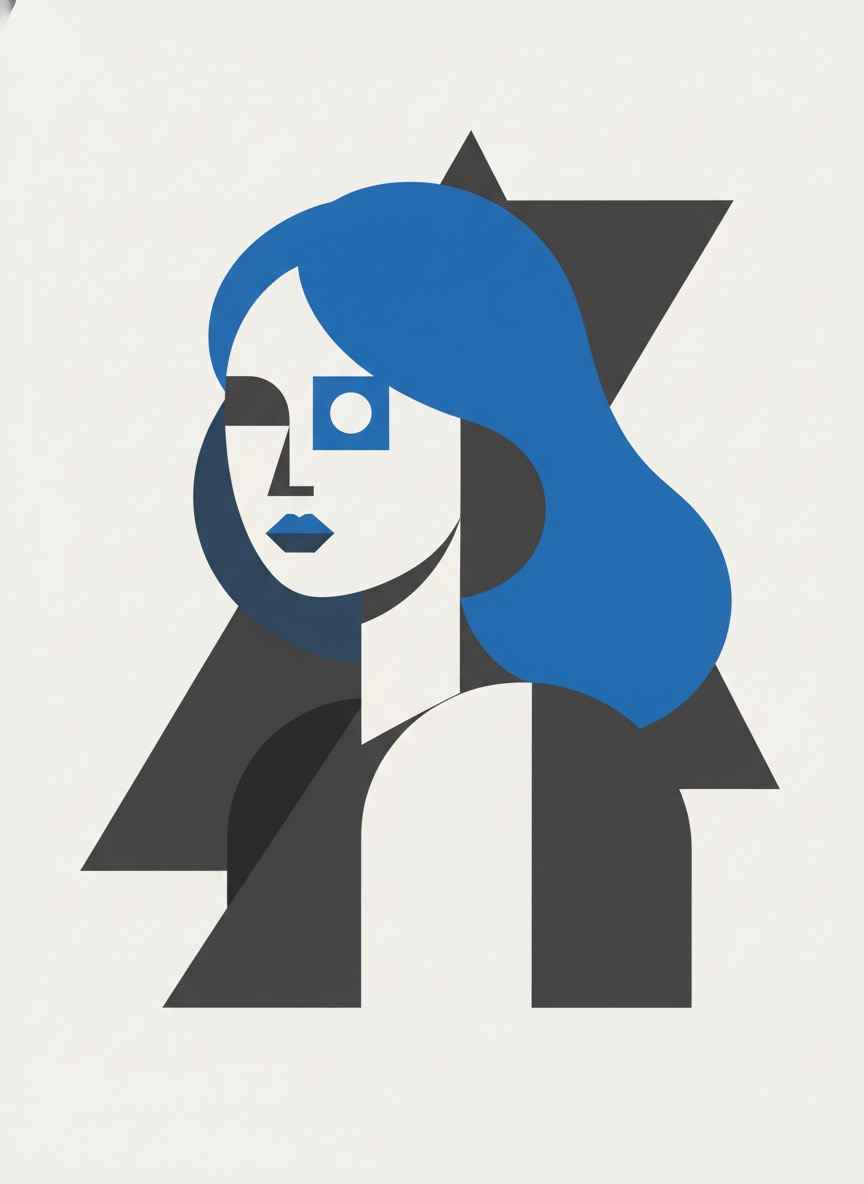
See how Muse Image prompts can become product scenes, editorial layouts, social visuals, character studies, and polished campaign assets. Use the examples as starting points for your own briefs, then adapt the lighting, camera angle, mood, and reference direction.

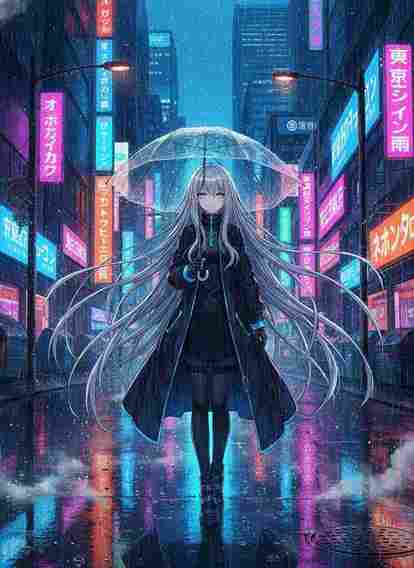
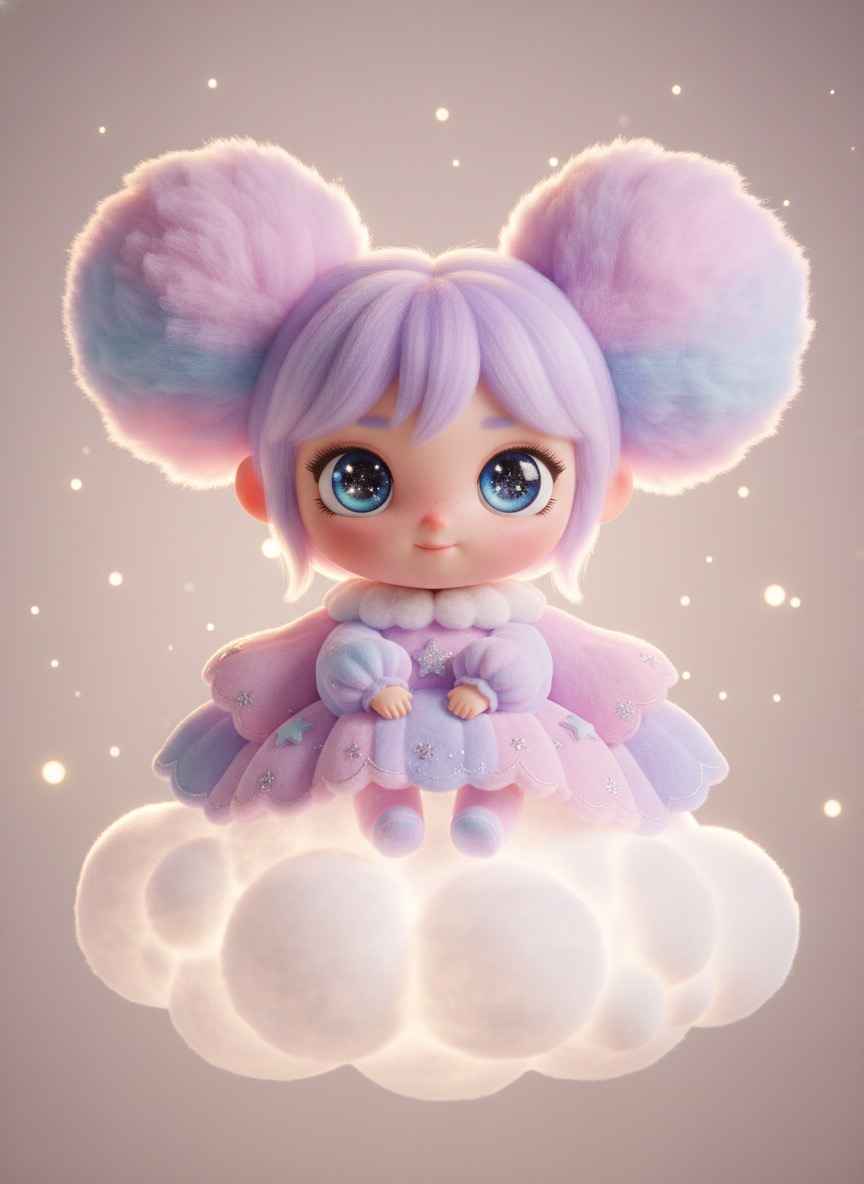
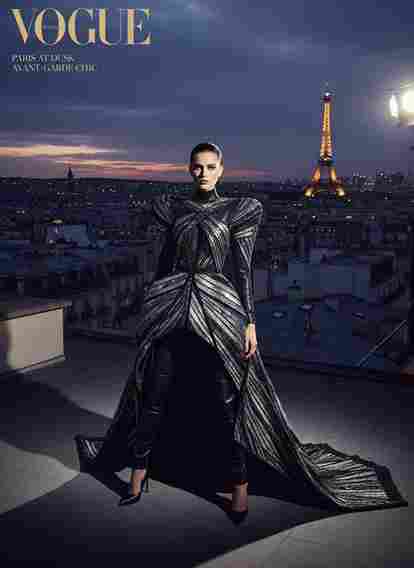
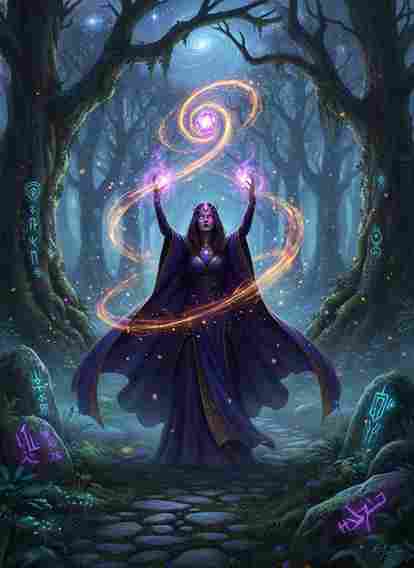
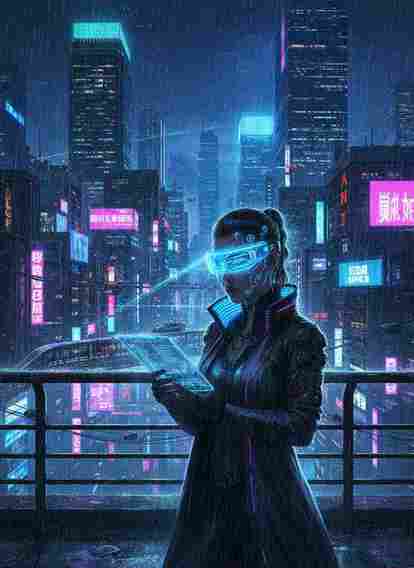
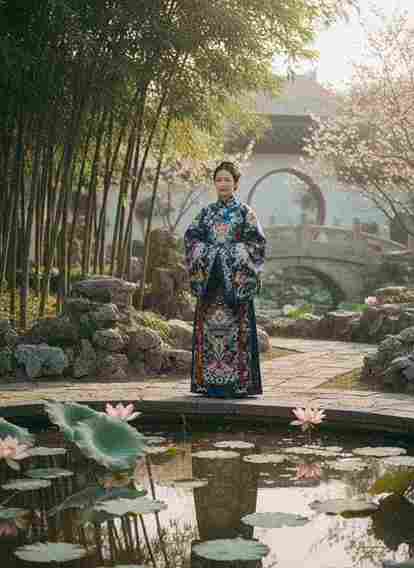
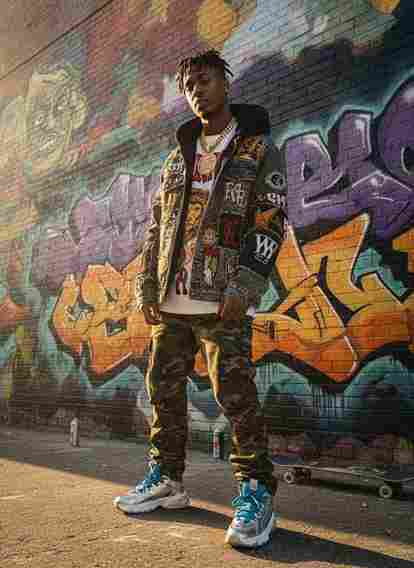

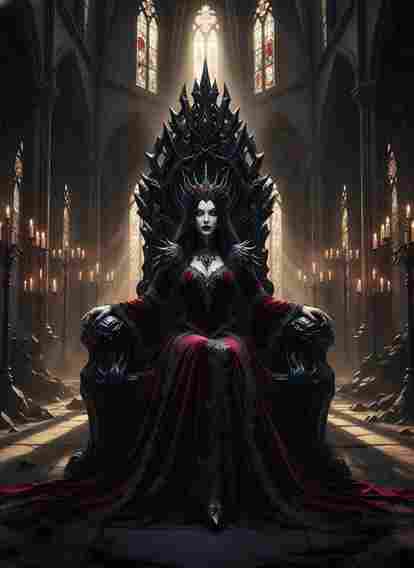


3M+
Creator Workflows
1,530+
Prompt Variations
4.9
Quality Signals
A simple workflow for prompts, references, edits, and self-refining AI image creation, built for creators who want to iterate quickly without losing control of the brief
Start with a clear Muse Image prompt that names the subject, scene, mood, layout, and any factual detail. Specific instructions make it easier for the model to follow the creative intent.
Use aspect ratio, image count, and reference direction to guide the output. Multi-reference composition is useful when a campaign needs a product, wardrobe, environment, and style to stay consistent across several visual options.
Generate a Muse Image draft, then ask for precise edits. The workflow emphasizes iterative refinement, so creators can keep improving a visual instead of restarting every time.
"This is the kind of model designers want: strong instruction following, sharper compositions, and enough reasoning to handle detailed art direction."
Sophie Miller
Freelance Designer
"For brand campaigns, multi-reference work finally feels practical. We can combine product shots, style cues, and scene ideas without rewriting the whole brief."
Michael Chen
Creative Director
"The workflow is useful for product concepts because it can reason about composition, preserve key details, and support fast creative exploration."
Sarah Wang
E-commerce Manager
"The most exciting part is self-refinement. It feels closer to briefing a visual assistant than simply rolling random images."
David Liu
Brand Designer
Have another Muse Image question? Contact us at support@muse-image.pro
Muse Image is Meta's latest image generation model from Meta Superintelligence Labs. It focuses on instruction following, precise editing, multi-reference composition, search-grounded creation, and agentic visual generation.
Muse Image is described as agentic because it can reason about a task, invoke tools, use search, and self-refine drafts instead of simply mapping a prompt to pixels.
Meta says Muse Image can use search and coding tools. Search helps ground factual prompts, while coding can support plots, diagrams, rendered figures, and structured visuals.
Yes. Muse Image is designed for precise image editing, including background changes, style adjustments, typography revisions, and detail refinements across multiple turns.
Self-refinement means Muse Image can evaluate and improve its own draft through a local edit, a new generation, search, or another tactic that better satisfies the prompt.
Muse Image supports multi-reference image composition, combining people, products, clothing, environments, and style examples into one coherent result.
Muse Image can benefit from search-enabled generation when prompts depend on real-world context, current events, factual visual references, or timely details.
Content Seal is Meta's invisible watermarking system for images created by Muse Image in Meta AI experiences. Meta says it can remain through cropping, compression, resizing, and screenshots.
Meta says Muse Image is available in the Meta AI app and on meta.ai, in Instagram Stories in the US, and in WhatsApp in limited countries, with Facebook support planned.
Older generators often depend on one-shot prompting. Muse Image emphasizes agentic reasoning, tool use, self-refinement, precise editing, and multi-reference composition.
Muse Image is useful for social visuals, product scenes, reference-guided ads, and iterative campaign concepts. Teams should still review outputs for brand accuracy, rights, and compliance.
A strong Muse Image prompt should include subject, setting, style, composition, desired edits, reference details, and factual constraints. Specific follow-up feedback usually works better than vague requests.